
ISRO GSLV F17 launch: What Makes It the Best Earth Satellite?
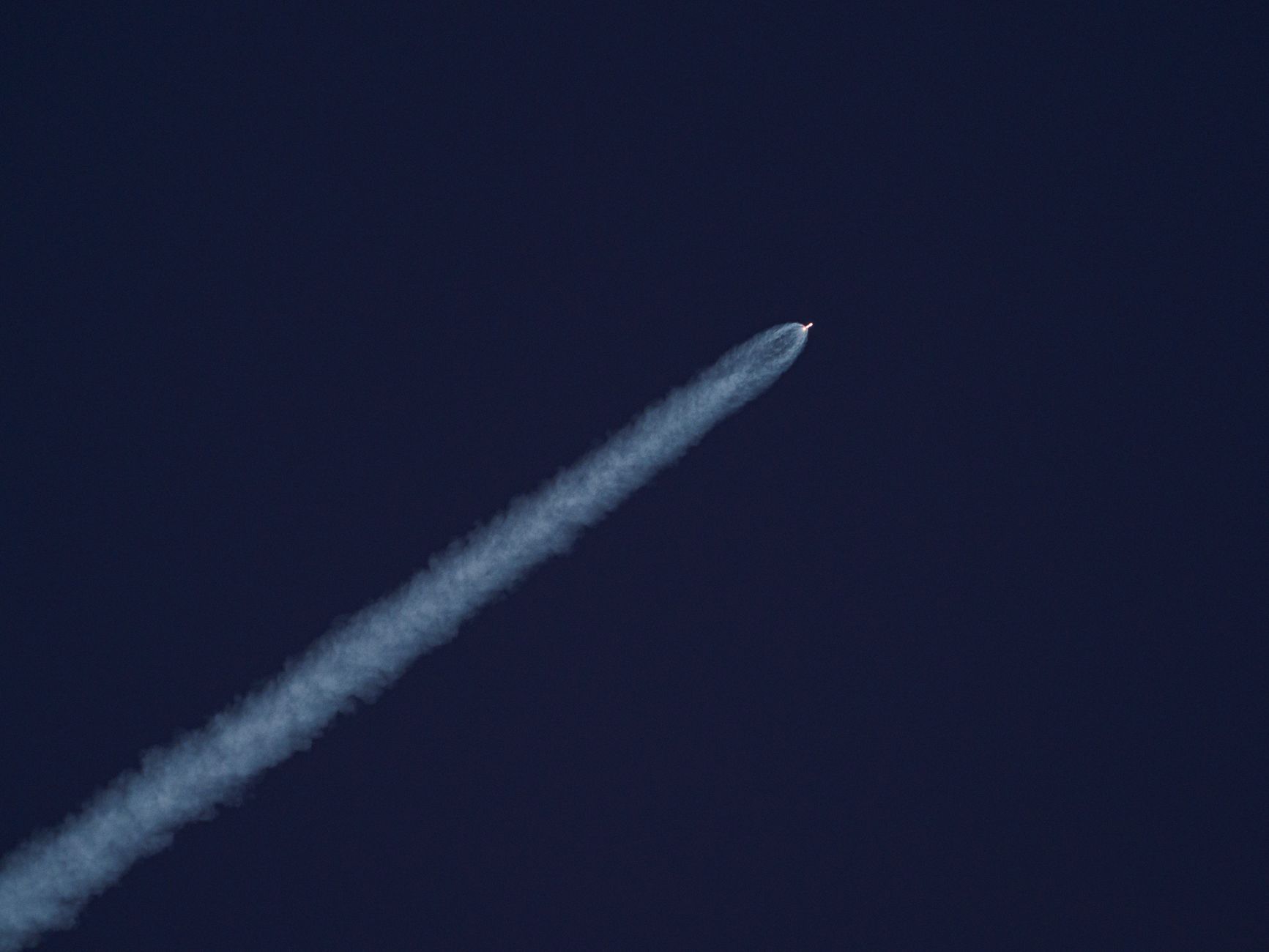
The ISRO GSLV F17 launch marked a significant milestone for India’s space exploration efforts. This successful mission carried the EOS-05 Earth Observation Satellite, showcasing ISRO’s capabilities in satellite technology.
Overview of the ISRO GSLV F17 Launch
The recent ISRO GSLV F17 launch marked a significant achievement in India’s space exploration efforts. On the scheduled date, the Indian Space Research Organisation successfully lifted off the GSLV F17 rocket, carrying the EOS-05 Earth Observation Satellite into orbit.
This launch is particularly notable for several reasons:
- Advanced Technology: The GSLV F17 utilizes cutting-edge technology to enhance payload capacity.
- High-Resolution Imaging: EOS-05 aims to provide detailed images of the Earth’s surface, benefiting agriculture and disaster management.
- Enhanced Reliability: The GSLV series has shown improved reliability with each launch, reinforcing India’s position in the global space community.
The successful deployment of the EOS-05 satellite showcases ISRO’s commitment to advancing scientific research and technological innovation, making the ISRO GSLV F17 launch a milestone in space exploration.
Significance of EOS-05 Satellite
The EOS-05 satellite, launched aboard the ISRO GSLV F17, plays a pivotal role in enhancing India’s Earth observation capabilities. This advanced satellite is equipped with a multi-spectral imaging payload, enabling it to capture high-resolution images across various spectral bands.
One of the primary significances of the EOS-05 satellite lies in its ability to monitor environmental changes and natural disasters. By providing accurate data on weather patterns, agriculture, and land use, it aids in informed decision-making for governmental and research organizations.
Additionally, the satellite’s capability to observe atmospheric phenomena helps in improving weather forecasting. This functionality is crucial for disaster management, allowing timely warnings and effective responses. Overall, the successful deployment of EOS-05 via the ISRO GSLV F17 launch marks a significant advancement in India’s commitment to leveraging space technology for societal benefits.
Technical Specifications of GSLV F17
The GSLV F17 launch by ISRO showcases advanced technology designed for precision and reliability. This launch vehicle is equipped with several key features that enhance its performance.
- Payload Capacity: The GSLV F17 can carry payloads of up to 2,500 kilograms to geosynchronous transfer orbit, making it suitable for various missions.
- Launch Configuration: It employs a three-stage configuration, combining solid, liquid, and cryogenic propulsion systems.
- Advanced Technology: The vehicle incorporates state-of-the-art avionics for improved guidance and control during the launch.
- Launch Site: The GSLV F17 was launched from the Satish Dhawan Space Centre, ensuring optimal conditions for the mission.
These specifications highlight the capabilities of the GSLV F17, contributing significantly to its successful deployment of the EOS-05 satellite into orbit.
Previous ISRO Launch Successes
The Indian Space Research Organisation (ISRO) has a remarkable track record of successful launches that have solidified its position in the global space industry. Notable among these is the GSLV Mk III, which played a crucial role in the historic Chandrayaan-2 mission. The launch of PSLV-C49 marked a milestone as it deployed 10 satellites in one go, showcasing ISRO’s capability in satellite deployment.
Another significant achievement was the launch of GSAT-30, which enhanced communication services across the country. These previous successes set a strong foundation for the recent ISRO GSLV F17 launch, further demonstrating the organization’s expertise in launching sophisticated satellites like the EOS-05. The consistency in successful missions has built trust among international partners and made ISRO a key player in global space exploration.
Future Missions Planned by ISRO
ISRO has an ambitious roadmap for the future, with several missions lined up following the successful launch of the GSLV F17. Among the upcoming projects are:
- Gaganyaan Mission: Aiming to send Indian astronauts into space, this project is set to be a landmark achievement for the nation.
- Aditya-L1: Designed to study solar activities and their impact on the Earth’s climate, this mission will enhance our understanding of the Sun.
- Chandrayaan-3: Following the previous lunar missions, ISRO plans to explore the Moon’s surface further with this mission.
- NavIC Expansion: The Indian Regional Navigation Satellite System will be expanded to improve navigation services across India and neighboring regions.
These initiatives underscore ISRO’s commitment to advancing space technology and its applications, building on the success of the ISRO GSLV F17 launch.
Impact of Earth Observation Satellites
Earth observation satellites play a crucial role in monitoring our planet’s health and enabling sustainable development. The launch of the ISRO GSLV F17, carrying the EOS-05 satellite, marks a significant advancement in this domain. These satellites provide vital data that assist in various applications, including:
- Agricultural Monitoring: By analyzing crop health and predicting yields, farmers can make informed decisions.
- Disaster Management: Real-time data from satellites helps in assessing natural disasters and planning effective responses.
- Urban Planning: Satellite imagery aids in the development of infrastructure and urban environments.
- Climate Research: Continuous observation of weather patterns contributes to climate change studies.
With the successful launch of the GSLV F17, ISRO enhances its capability to provide high-resolution data, further solidifying the importance of Earth observation satellites in addressing global challenges.
Public Response to the Launch
The recent ISRO GSLV F17 launch has garnered significant public interest and excitement across the nation. Many citizens took to social media to express their pride in India’s growing capabilities in space technology. The launch was celebrated as a remarkable achievement, showcasing ISRO’s commitment to advancing Earth observation capabilities.
Numerous enthusiasts organized viewing parties, eagerly tracking the launch in real-time. Feedback from the scientific community has been overwhelmingly positive, with experts praising the mission’s significance in enhancing data collection for environmental monitoring.
Moreover, educational institutions utilized this event to foster interest in science and technology among students. Many schools held discussions and activities related to the satellite’s applications, highlighting its importance in addressing climate change and resource management.
The enthusiasm surrounding the GSLV F17 launch reflects a growing national pride in India’s achievements in space exploration.
Conclusion on ISRO’s Achievements
In summary, the ISRO GSLV F17 launch marks yet another significant milestone in India’s space endeavors. The successful deployment of the EOS-05 Earth Observation Satellite showcases ISRO’s continuous commitment to advancing satellite technology and enhancing our understanding of the planet.
ISRO’s achievements in this domain not only bolster India’s position in global space exploration but also contribute to critical areas such as agriculture, disaster management, and urban planning. The launch illustrates the agency’s capability to develop reliable launch vehicles and sophisticated satellites.
Moreover, with each launch, public interest and support for space initiatives grow, reflecting a national pride in these technological advancements. As ISRO continues to push boundaries with future missions, the GSLV F17 launch serves as a testament to the agency’s innovative spirit and dedication to harnessing space for the benefit of humanity.
The ISRO GSLV F17 launch has set new benchmarks in satellite technology, showcasing India’s growing capabilities in space exploration. With advanced payload capacity and improved reliability, the ISRO GSLV F17 launch is a significant milestone for the Indian Space Research Organisation.
Photo by Dirk Schuneman on Pexels